Jean Messagier
Abstract imitations of the world
Available works
About artist
Born in 1920, in Paris, France.
Died in 1999, in Montbéliard, France.
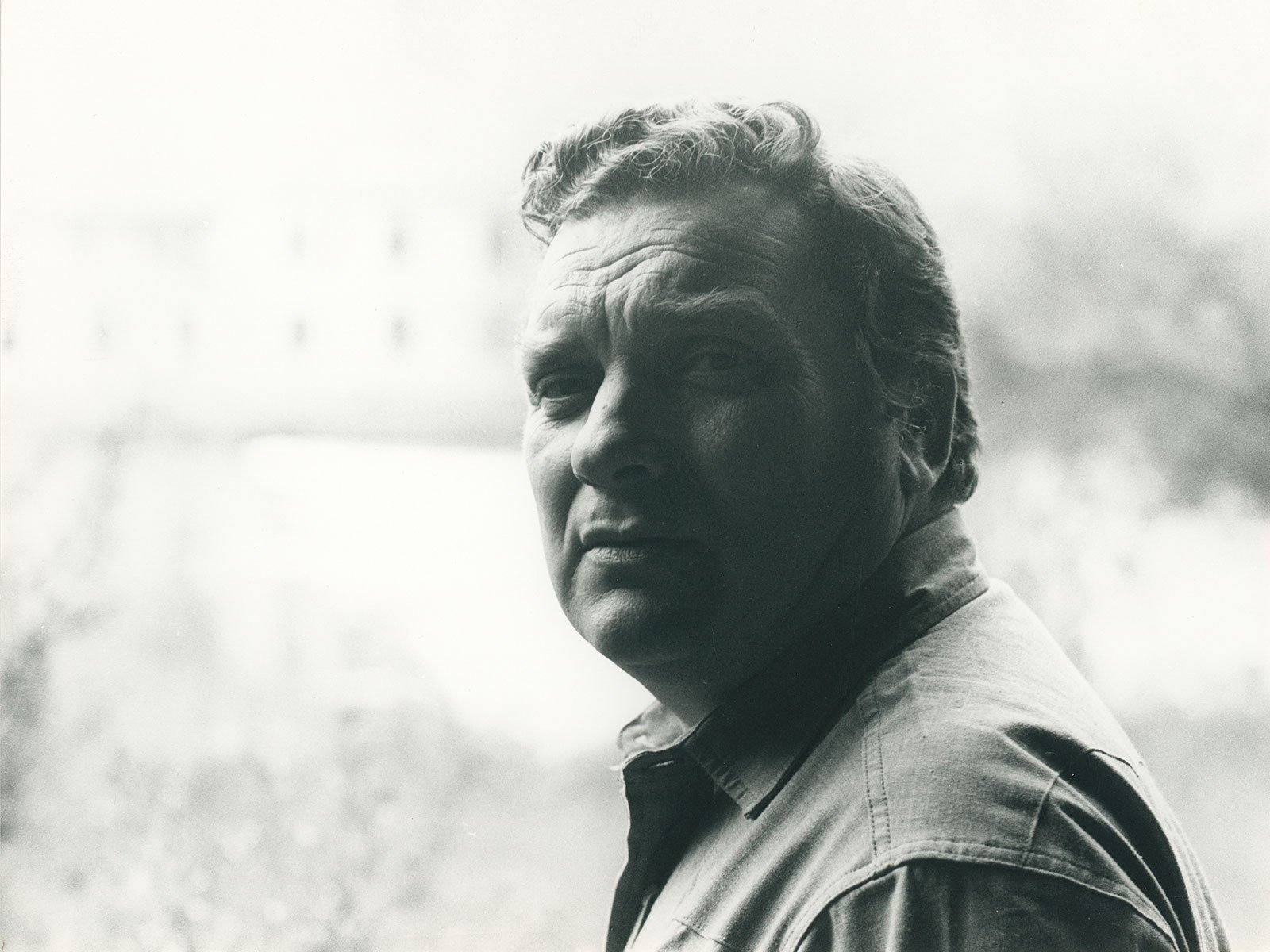
Jean Messagier was a French painter, printmaker, and sculptor. In 1945, his first solo exhibition took place in Paris at the Galerie Arc-en-Ciel. From 1945 to 1949, the artist’s work showed the influence of Pablo Picasso and François Desnoyer, who was his professor at the École nationale supérieure des arts décoratifs in Paris. Messagier was reintroduced to the public in 1952 during an exhibition organized by Charles Estienne at the Galerie de Babylone, titled La Nouvelle École de Paris (The New School of Paris).
The following year, Messagier deliberately broke away from expressionist-leaning post-cubism. He then drew inspiration from Jean Fautrier and Pierre Tal Coat to develop a personal vision in which he restored "light... a light different from that of the Impressionists" that he had "abstractly sensed." Creating everything from sculptures and tapestries to carnival floats, hot-air balloons, and wine labels, he was also a poet, composer, ecologist, and militant humanist—but above all, a painter. Associated with the post-war School of Paris, he has been variously labeled as a lyrical abstractionist, a nuagiste (cloud painter), a tachiste, and an abstract landscapist. He himself never wished to be categorized, always rejecting the duality between abstraction and figuration.
Public Collections
Centre Pompidou, Paris, France
CNAP, Paris, France
Guggenheim, New York, USA
Louisiana Museum of Modern Art, Humlebæk, Denmark
MAMC+, Saint-Étienne, France
MMCA, Seoul, South Korea
MoMA, New York, USA
Museum of Contemporary Art, Helsinki, Finland
Museum of Contemporary Art, Nagaoka, Japan
Musée d’Art Moderne de la Ville de Paris, Paris, France
Museum of Modern Art, Eilat, Israel
National Museum of Australia, Canberra, Australia
Royal Museums of Fine Arts of Belgium, Brussels, Belgium in 1920, in Paris, France.
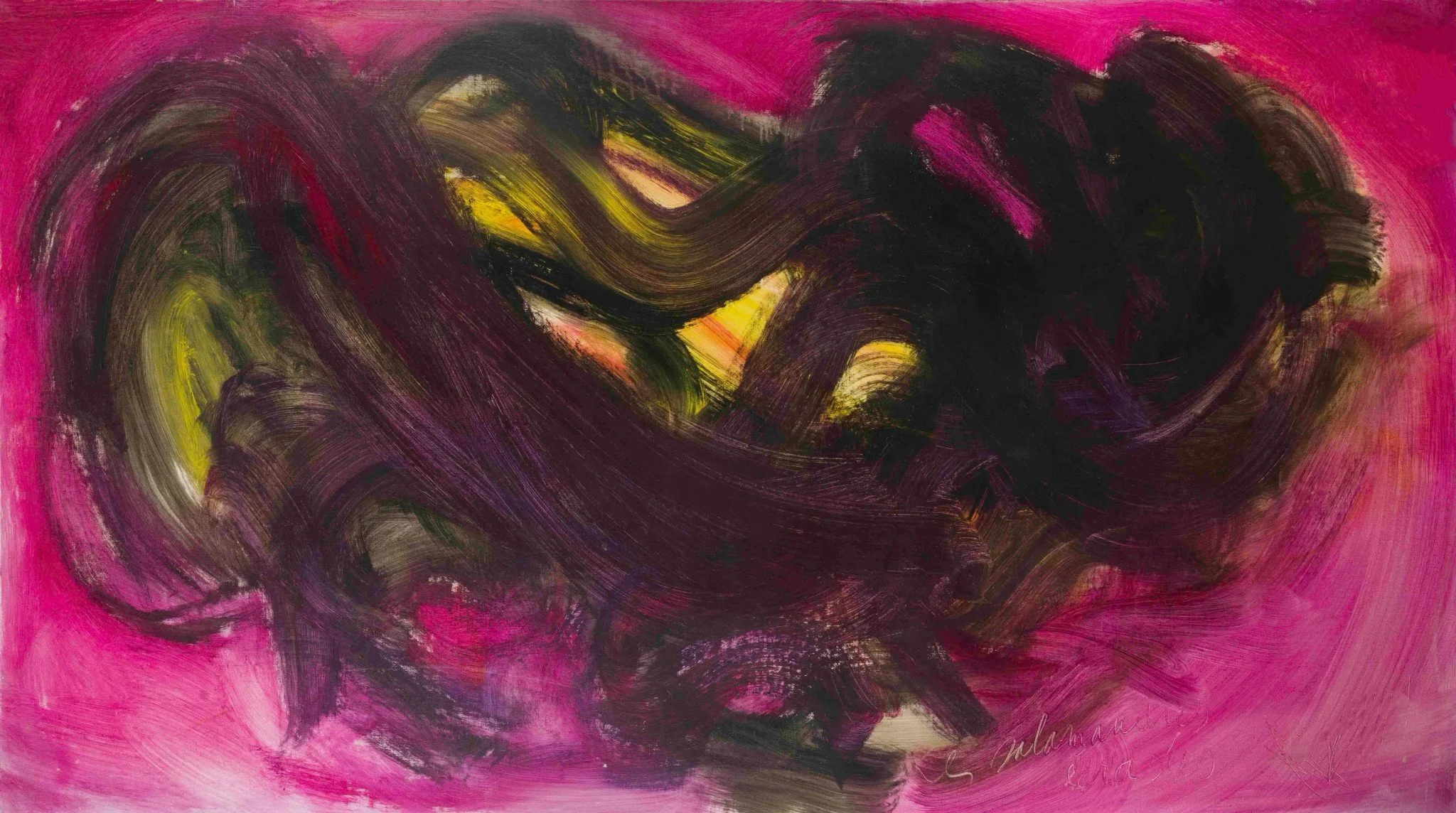
Les Salamandres écrasées
1968
Huile sur toile
105 x 182 cm