Hans Hartung
Available works
About artist
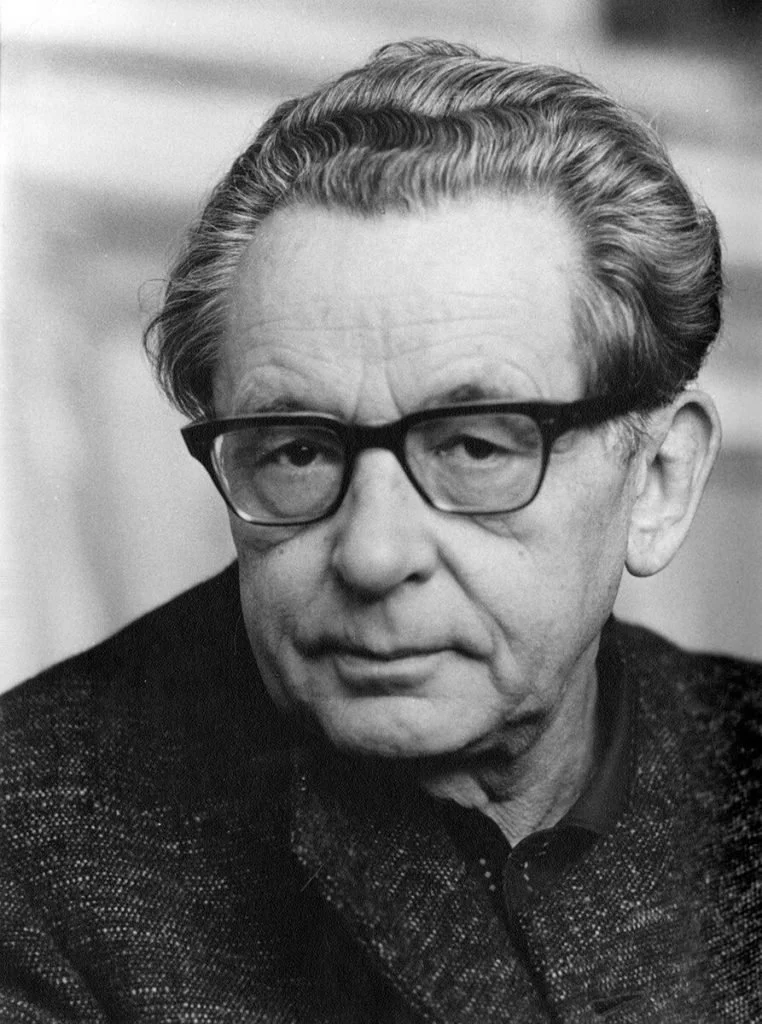
Hans Hartung (Lipsia, September 21, 1904 – Antibes, December 7, 1989) was a German painter naturalized as a French citizen and one of the leading figures in the field of abstraction, recognized as "the father of tachisme." He is credited with developing gestural abstraction.
Influenced by the works of Rembrandt and Goya, and captivated by German expressionism—particularly Kokoschka and Nolde—at just 17 years old, Hans Hartung began experimenting with abstraction, completely eliminating figurative elements from his paintings. The image gradually became more abstract, replaced by spots and tension, while the subject matter itself lost significance.
In 1924, Hartung began studying philosophy and art history at the School of Fine Arts in Leipzig. In 1925, he met Kandinsky at a lecture given by the latter and discovered another form of abstraction, though he remained critical of Kandinsky’s approach, which opposed geometricism and was equally innovative. He left the Bauhaus, rejecting Mondrian's avant-garde work, and instead preferred the Beaux-Arts in Dresden (1925–1926) and Monaco (1928), where he continued studying classical traditions and techniques (his only figurative works, later destroyed during a bombing). In 1926, Hartung experienced another shock upon discovering modern painting practiced beyond German borders during a visit to the Dresda International Exhibition: Impressionism, Fauvism, and Cubism. He was particularly interested in the work of Matisse, Braque, Picasso, and Rouault. He studied the works of Cézanne, Van Gogh, and the Cubists, whose influence continued throughout his career until 1932.
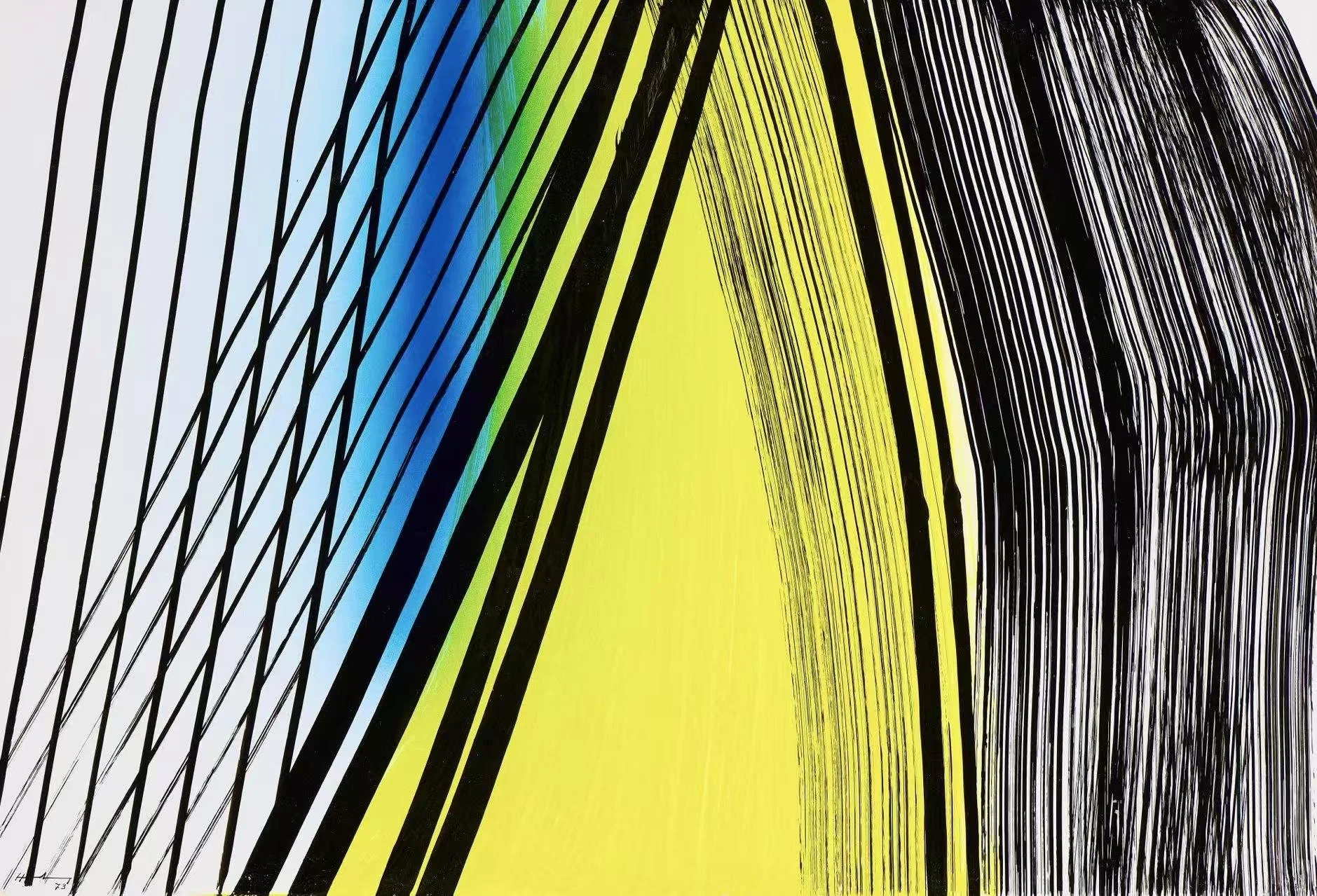
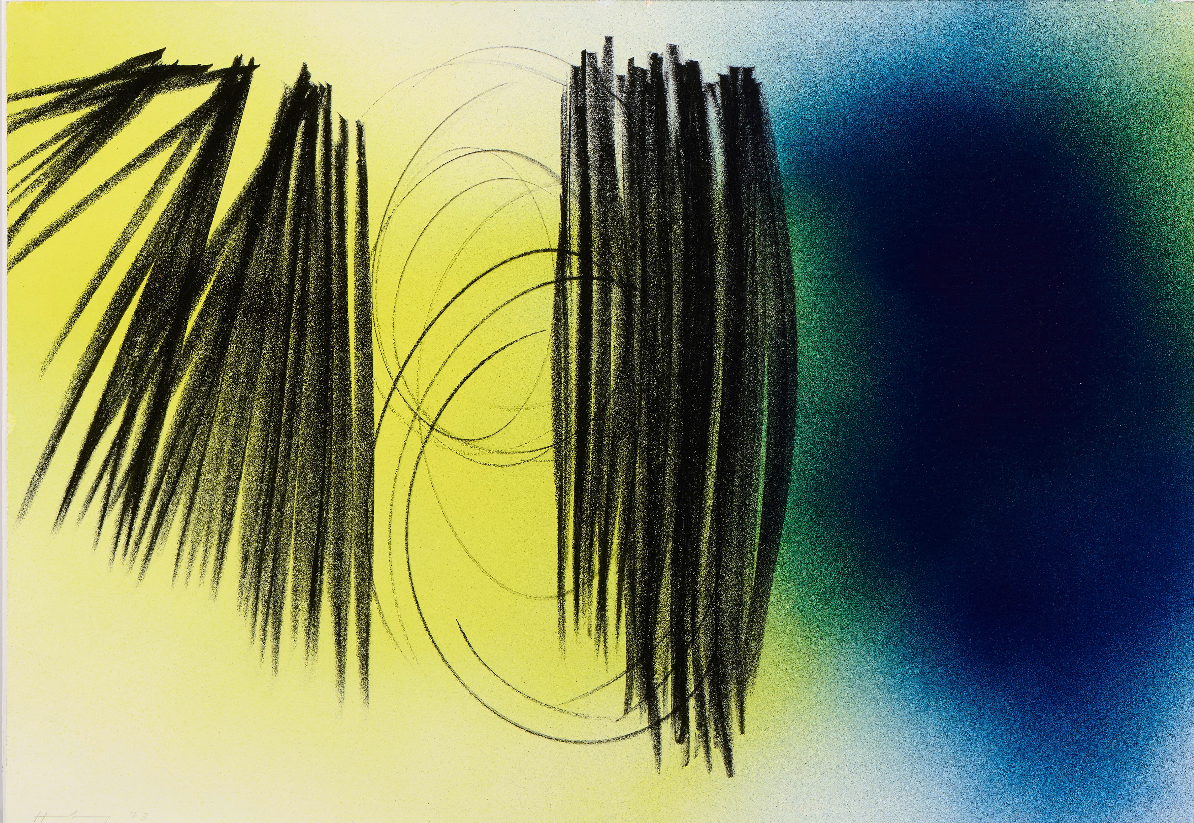
Hans Hartung (1904-1989)
P1973-68
Acrylic and pastel on baryta cardboard
52.3 x74.8 cm